
Why Your Drain Clogs Are Always Worse in the Winter and Wet Season
Rohr Cleaner
Every homeowner has faced a clogged drain at some point. But something strange often happens during winter or heavy rainy months. The drains that worked fine all year suddenly start slowing down. Water begins to collect in sinks. Bathroom drains become sluggish. Sometimes the outdoor drain even starts overflowing.
It can feel frustrating because the same pipes worked perfectly during the summer. Many people assume it is just bad luck. But in reality, drain clogs in winter are very common, and there are real reasons behind it.
Cold weather, wet soil, frozen pipes, and increased household usage all play a role. When these factors combine, pipes become more vulnerable to blockages. The good news is that once you understand why it happens, it becomes easier to prevent it.
Let’s take a closer look at why drains clog more in winter and the wet season, what signs to watch for, and when professional help might be needed.
Why Winter and Rainy Seasons Create More Drain Problems
Cold and wet weather affects plumbing systems more than people realize. Pipes are designed to carry water smoothly, but seasonal changes can disrupt that flow.
During winter, temperatures drop, and water inside pipes slows down. Grease and soap that normally wash away begin sticking to the pipe walls. Over time, this buildup narrows the passage and creates a blockage.
In rainy seasons, another issue appears. Outdoor drains and sewer systems receive extra water from heavy rainfall. Leaves, mud, and debris also get washed into drainage systems. This combination creates seasonal drain problems that many households experience.
Plumbing experts often report an increase in service calls during colder months. According to plumbing industry reports, drain blockage complaints can increase by up to 40 per cent during winter due to grease buildup, frozen pipes, and debris accumulation.
These factors help explain why a drain that worked perfectly for months can suddenly start causing problems. In fact, different seasons often lead to different types of drain blockages.
Cold Temperatures Make Grease and Soap Harder
One of the most common causes of blocked pipes in winter is grease.
Think about what happens when cooking oil cools down. When it is hot, it flows easily. But once it cools, it thickens and becomes sticky. The same thing happens inside drain pipes.
During winter, grease poured into the sink cools faster. It sticks to the pipe walls and traps food particles. Soap residue also thickens in cold temperatures and contributes to buildup.
A real-life situation many families notice is after holiday cooking. Large meals often involve more oil and fat. When these substances go down the drain, they solidify quickly in cold pipes. Within days, the sink may start draining slowly.
Over time, this buildup becomes a stubborn clog that simple home remedies cannot remove.
This is why plumbers often remind homeowners to avoid pouring grease into kitchen sinks and instead dispose of it in a container.
Frozen Drain Pipes Can Block Water Flow
Another winter problem is frozen drain pipes.
When temperatures drop below freezing, water inside pipes can partially freeze. This ice reduces the available space for water to pass through. Even a thin layer of ice can dramatically slow drainage.
Homeowners may notice sinks draining slowly or hear unusual gurgling sounds in the pipes. Sometimes water backs up into tubs or showers because the pipe is partially blocked by ice.
In extreme cases, pipes can completely freeze and stop water flow altogether.
Older homes or houses with poorly insulated plumbing are especially vulnerable. Pipes located in basements, garages, or outdoor walls often freeze first.
Even if the ice melts later, it may leave behind debris or loosen buildup inside the pipes. That residue can continue to cause slow drains for weeks.
Wet Season Debris Clogs Outdoor Drains
During heavy rain or storms, blockages in outdoor drains become more common.
Leaves, soil, and small branches can easily enter outdoor drainage systems. When these materials mix with rainwater, they create thick debris that blocks water flow.
Many homeowners notice puddles forming near driveways or gardens after rainfall. In some cases, water starts backing up toward the house.
A common real-life situation happens during autumn and early winter. Falling leaves accumulate around outdoor drain covers. When the first big rainfall arrives, these leaves are washed directly into the pipes.
Once inside, they trap mud and sediment. This creates a large blockage that prevents water from draining properly.
Without proper cleaning, these blockages can grow worse with every rainfall.
Increased Household Water Use in Winter
Another surprising reason for slow drains in winter is increased water usage.
People spend more time indoors during colder months. That means sinks, showers, dishwashers, and washing machines are used more frequently.
More water usage means more soap, grease, hair, and food particles entering the drains.
A typical winter evening might include cooking dinner, running the dishwasher, and taking hot showers. All of these activities send waste into the same drainage system.
If pipes already have minor buildup, this extra usage can push them past the tipping point. What was once a small obstruction quickly becomes a full blockage.
Warning Signs Your Drain Is About to Clog
Drain problems rarely appear overnight. Most clogs develop slowly and give warning signs before becoming serious.
Homeowners should watch for the following early signals:
- Water draining slower than usual
- Gurgling sounds coming from sinks or tubs
- Unpleasant odors from drains
- Water pooling near outdoor drains
- Multiple drains clogging at the same time
If these signs are ignored, the blockage can grow worse. Eventually, water may back up into sinks, toilets, or showers.
Taking action early can prevent expensive plumbing repairs.
Simple Drain Maintenance Tips for Winter
Preventing drain clogs in winter does not require complicated tools. A few simple habits can protect your plumbing system.
- First, avoid pouring cooking grease into the sink. Instead, let it cool and throw it in the trash.
- Second, run hot water down the drain after washing dishes. This helps dissolve soap residue and grease before it sticks to the pipes.
- Third, regularly clean sink strainers and shower drains to remove trapped hair and debris.
- Outdoor drains should also be checked after storms. Removing leaves and dirt from drain covers helps maintain proper water flow.
These small steps can make a big difference during colder months.
If you want more advice on preventing pipe buildup, many homeowners also find it helpful to read guides on preventing grease buildup in kitchen pipes and on how regular maintenance keeps plumbing systems healthy.
When DIY Solutions Stop Working
There are many ways to prevent these clogs. It is important to understand the step-by-step emergency response plan for plumbing issues. However, sometimes simple home remedies are not enough to solve the problem.
Many people try boiling water, baking soda mixtures, or plungers to clear a clog. These methods may help with small blockages, but they cannot always remove deep pipe buildup.
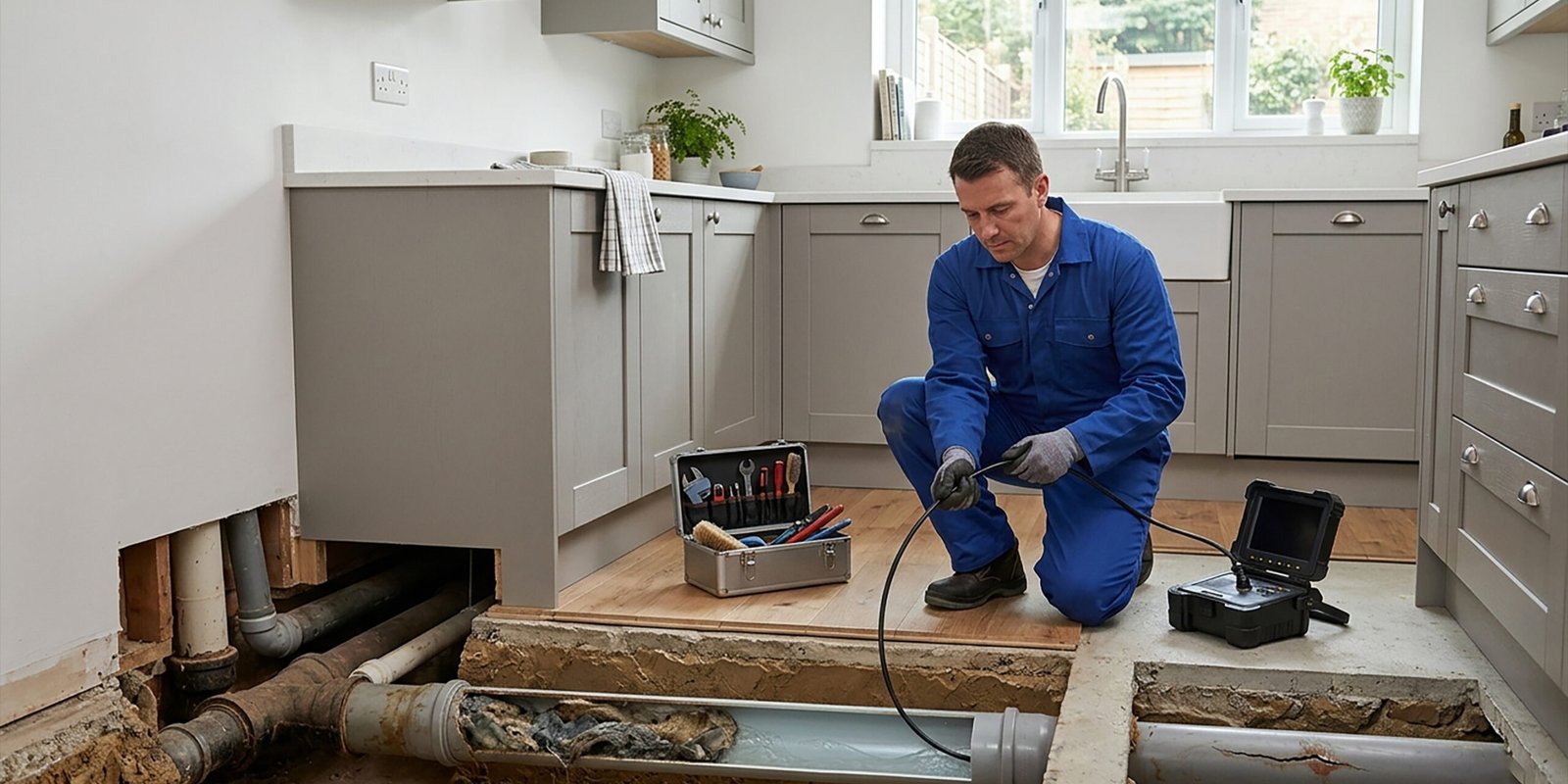
For example, grease hardened inside a long pipe often requires specialized equipment. Similarly, debris trapped in outdoor drains may require professional drain-cleaning tools.
If drains continue to clog repeatedly, it may indicate a deeper issue in the plumbing system. At this point, professional inspection becomes the safest option. Ignoring the problem can lead to more serious issues, such as pipe damage or sewage backups.
When You Should Call a Professional
There are certain situations where expert help should not be delayed.
If water begins backing up into multiple drains, the blockage may be located in the main sewer line. If you notice foul odours coming from drains, it could indicate trapped waste inside the pipes. Persistent slow drains despite cleaning attempts may also signal a deeper obstruction.
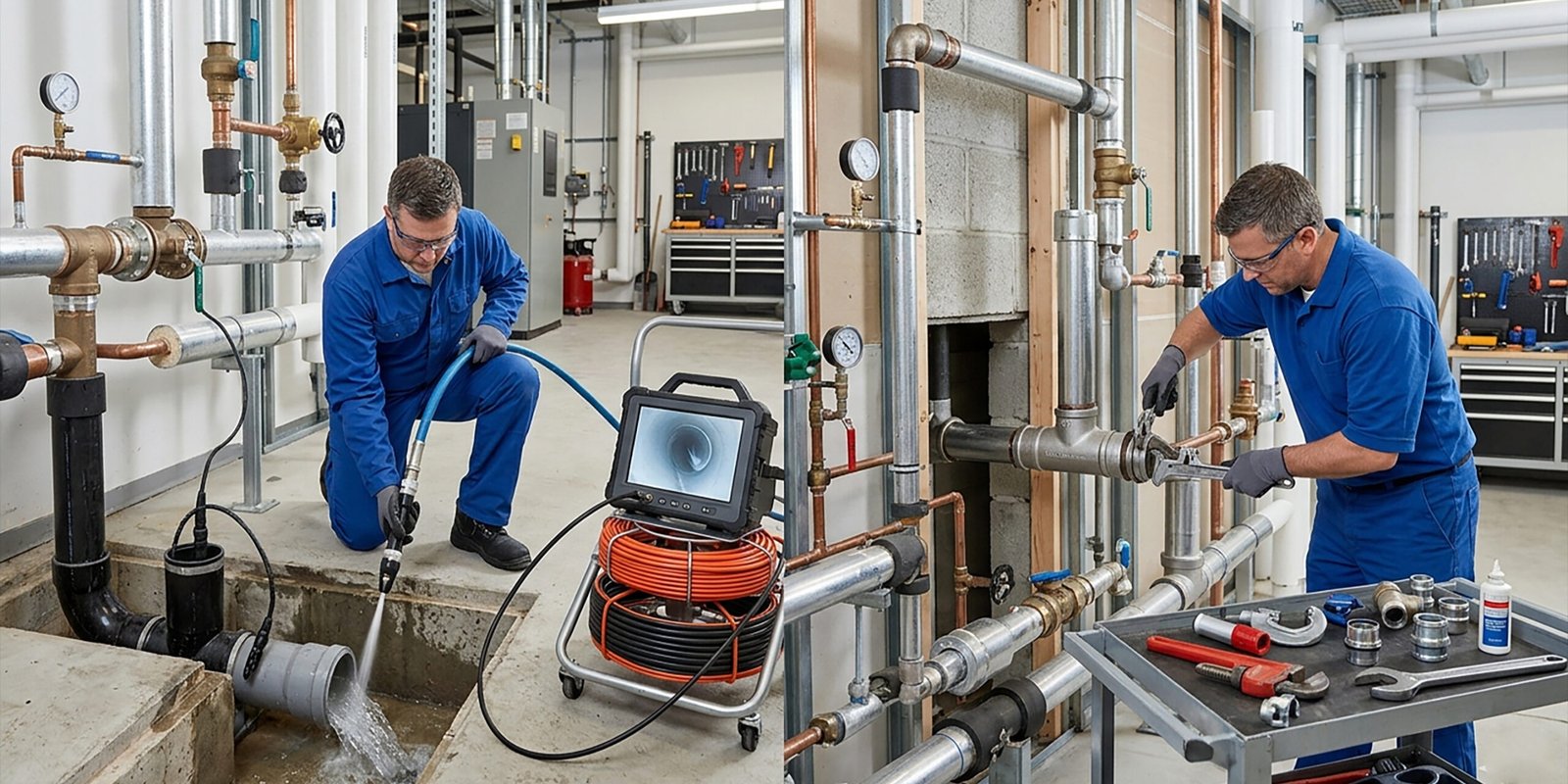
Professional plumbers use advanced equipment such as drain cameras and high-pressure cleaning tools to safely remove stubborn blockages.
If you are experiencing ongoing winter drain issues, reaching out to experienced pipe-cleaning specialists can quickly restore normal drainage and prevent further damage. Professional services like those offered by Rohr Cleaner provide thorough inspections and effective pipe-cleaning solutions when home repairs are no longer enough.
The Real Cost of Ignoring Seasonal Drain Problems
Many people delay fixing drain issues because the problem seems minor. Unfortunately, small clogs can grow into major plumbing emergencies.
A slow drain today can become a completely blocked pipe tomorrow. Water backups can damage floors, cabinets, and walls. In severe cases, sewer water may even enter the home.
Repairing these damages is far more expensive than early maintenance.
That is why plumbing experts recommend addressing seasonal drain problems as soon as the first warning signs appear.
Preventive care is always cheaper and easier than emergency repairs.
Keep Your Drains Healthy All Year
Drain problems in winter and wet seasons are more common than most homeowners expect. Cold temperatures, grease buildup, frozen pipes, and outdoor debris all contribute to clogged drains.
Understanding these causes makes it easier to prevent them. Simple maintenance habits can keep pipes clear and reduce the risk of serious blockages.
Still, some problems require professional attention. When drains repeatedly clog or water begins backing up, expert help becomes necessary.
Reliable pipe cleaning services can safely remove deep blockages and restore proper flow. If you are dealing with stubborn drain issues, reaching out to experienced professionals like Rohr Cleaner can help keep your plumbing system working smoothly.
A little attention today can prevent a major plumbing headache tomorrow.
