
Tipps zur Vorbeugung von Fettansammlungen in Ihren Küchenrohren!

Rohr Cleaner
Grease buildup in kitchen pipes is a problem that creeps up on you. Imagine: everything is running smoothly, and then suddenly your drain is slow, smells unpleasant, and just won’t drain properly. Sound familiar? Don’t worry, you’re not alone. Many households struggle with grease deposits without realizing that simple habits can make a big difference.
Let’s go through some simple and inexpensive tips to help you keep your pipes permanently clean and grease-free.
Warum ist Fett ein Problem für Rohre?
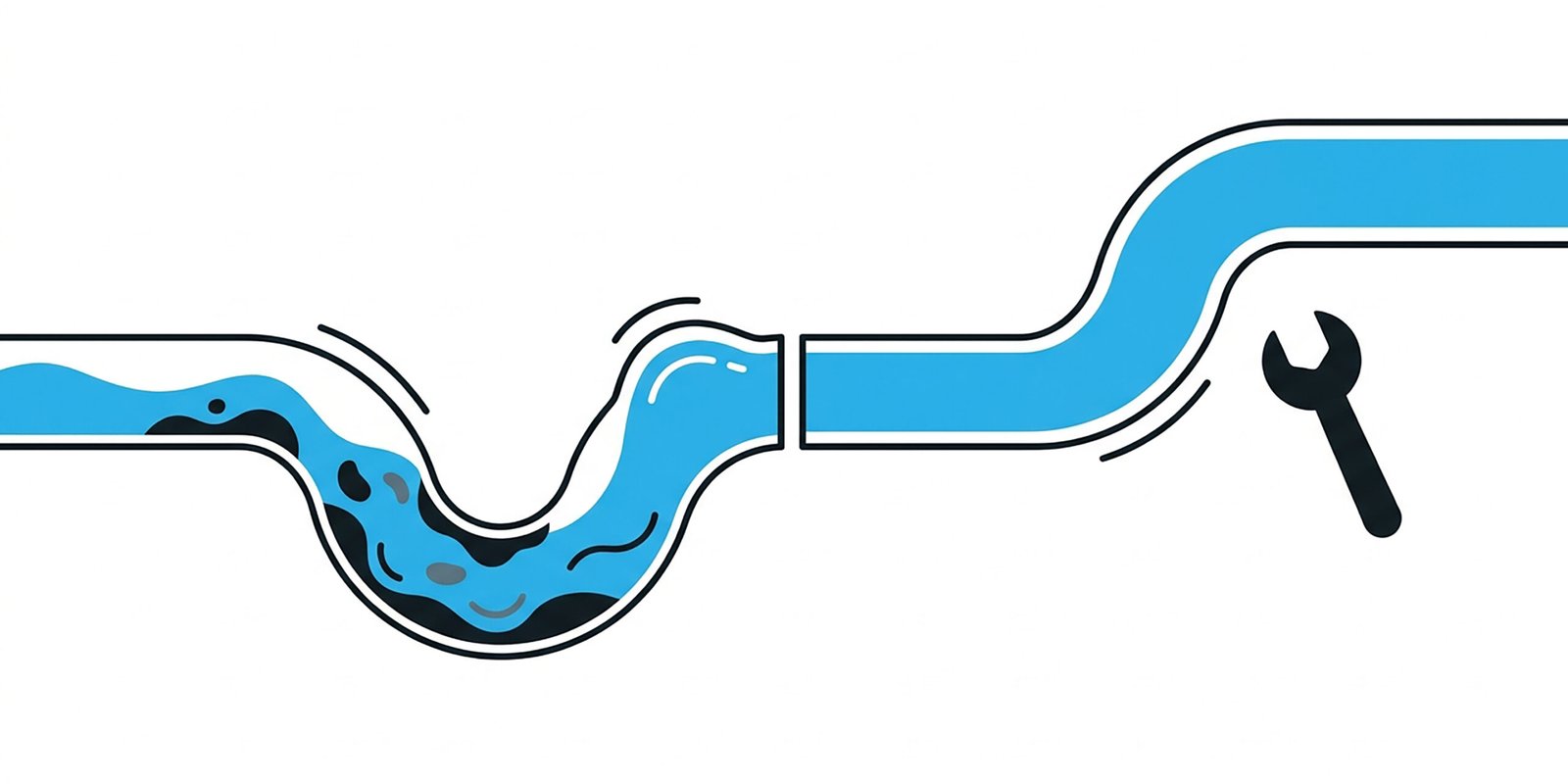
At first glance, it doesn’t seem like a big deal. A little oil here, some butter there—it all goes down the drain, right? But as soon as the grease cools, it hardens. This sticky layer adheres to the inside of your pipes and begins to trap other debris like food scraps, soap scum, and more grease. Over time, this creates a blockage that completely obstructs the flow of water.
Imagine it like cholesterol in your veins: at first, nothing is visible, but the damage silently builds up in the background. Try these tips to keep your drains clear and flowing smoothly.
Niemals Fett in den Abfluss gießen
This is the golden rule of fat prevention. When you’ve finished cooking bacon, ground beef, or other fatty foods, don’t just rinse the fat down the drain with hot water. That might make it disappear for the moment, but deeper in the pipes it will solidify again.
Instead, pour the fat into a heat-resistant container. Once it has cooled and solidified, throw it away. Some people even use an old coffee can or a mason jar for this. For example, if you have fried chicken at home, use a bowl lined with aluminum foil to catch the excess oil. Let it cool and then dispose of it. Simple, clean—and your pipes will thank you.
Vor dem Abwaschen Abwischen
It might sound strange, but washing dishes before rinsing makes a big difference. Use a paper towel to absorb grease residue from pans, plates, and cooking utensils before placing them in the sink.
This will reduce the amount of oil that even gets into your pipes in the first place. Less fat means less risk of blockages. For example, after frying vegetables in olive oil, don’t rinse the pan immediately. Wipe it with a paper towel first, and then clean it as usual. This small extra step can save you a lot of trouble later.
Wöchentlich kochendes Wasser verwenden
Boil water in a kettle once a week and slowly pour it down the drain. This helps to melt and flush away small amounts of grease stuck to your pipes before they build up.
However, be careful not to do this immediately after pouring in grease, as boiling water can push it deeper into the pipes instead of flushing it out completely. This method works best as a preventative measure. A bonus tip: For a gentle, natural cleaning, add a splash of vinegar and a little baking soda before the hot water.
Die Müllschlucker-Falle vermeiden
Food processors are convenient, but they are not suitable for greasy foods. Processing fatty foods can actually make the problem worse. The tiny particles stick to the already greasy pipe walls and contribute to blockages.
Scrape food scraps into the trash or compost before washing the dishes, and don’t treat the food processor like a black hole for kitchen waste. For example, if you’ve made a cheesy casserole, scrape any leftover cheese and scraps into the trash before using the food processor. Cheese behaves just like grease; it clogs things up.
Einen Maschensieb-Abflussfilter installieren
This small device does a big job. A mesh drain filter catches food scraps and solid bits of grease before they go down the drain. They are inexpensive, easy to clean, and available at any hardware store.
By intercepting these little culprits early, you prevent them from contributing to a future fatty blockage.
Den Haushalt aufklären
Preventing grease buildup isn’t a one-person job. If others in your household don’t know the rules, you’re fighting a losing battle. Talk to your family or housemates about what shouldn’t be poured down the sink. If necessary, hang a small reminder note next to the sink.
For example, you can write a note on a sticky note: “No grease down the drain protects the pipes!” This may sound silly, but it works especially well with children or guests in the house.
Was passiert, wenn Sie Fettablagerungen ignorieren?
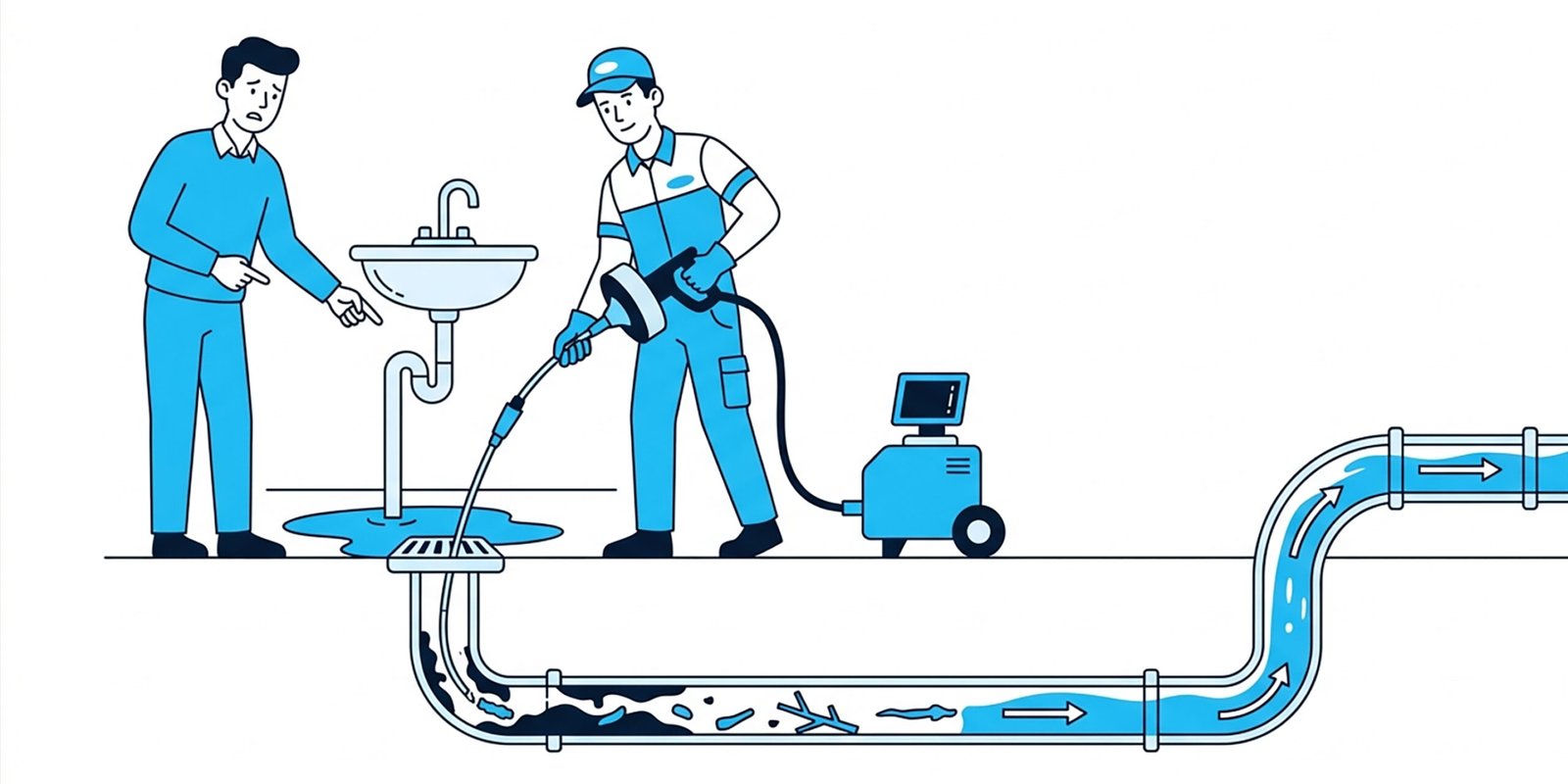
If grease clogs are left untreated, they can lead to slow drainage, unpleasant odors, and eventually a complete blockage. This often means having to call a plumber or, even worse, dealing with a troublesome water backup.
The cost of repairing a severely clogged pipe or a damaged kitchen drain can be far higher than the effort required for a few minutes of weekly preventative maintenance.
Wenn Ihre Spüle zurückspricht, ist es Zeit, Rohr Cleaner anzurufen
Grease clogs are among the most common and, thankfully, most easily preventable plumbing problems in any kitchen. A few simple changes, such as washing dishes before rinsing, pouring boiling water down the drain weekly, and consistently avoiding grease in the drain, can go a long way in keeping your pipes clean and clear.
These simple and affordable tips really work, but even with the best habits, blockages can occur. If your sink is draining slowly, making strange noises, or emitting unpleasant odors, it might be time to call in the professionals. That’s where Rohr Cleaner comes in. Their expert team uses advanced tools to remove stubborn grease buildup and restore the smooth flow of water through your pipes. Whether it’s routine pipe maintenance or an urgent blockage, they’re ready to help quickly and professionally. Don’t wait until you have a full-blown plumbing problem. Take care of your kitchen roll now with Rohr Cleaner’s trusted service.
