
Pipe Cleaner vs Plumber: Who Do You Really Need (and Who Saves You Money)?

Rohr Cleaner
If your sink is backing up or your toilet is acting strange, it can feel stressful fast. Many people panic and call the first professional they find. But honestly, not every water problem needs a full plumber visit. Sometimes you only need a pipe cleaning expert. Choosing wrong can waste time, money, and even make the problem worse. This guide will help you understand the real difference so you can make the smartest call the first time.
A pipe cleaning expert focuses on removing blockages, buildup, and slow drainage using specialized cleaning equipment. A plumber repairs, installs, or replaces pipes, fixtures, and plumbing systems. If water isn’t flowing, call a cleaner. If something is broken or leaking, call a plumber.
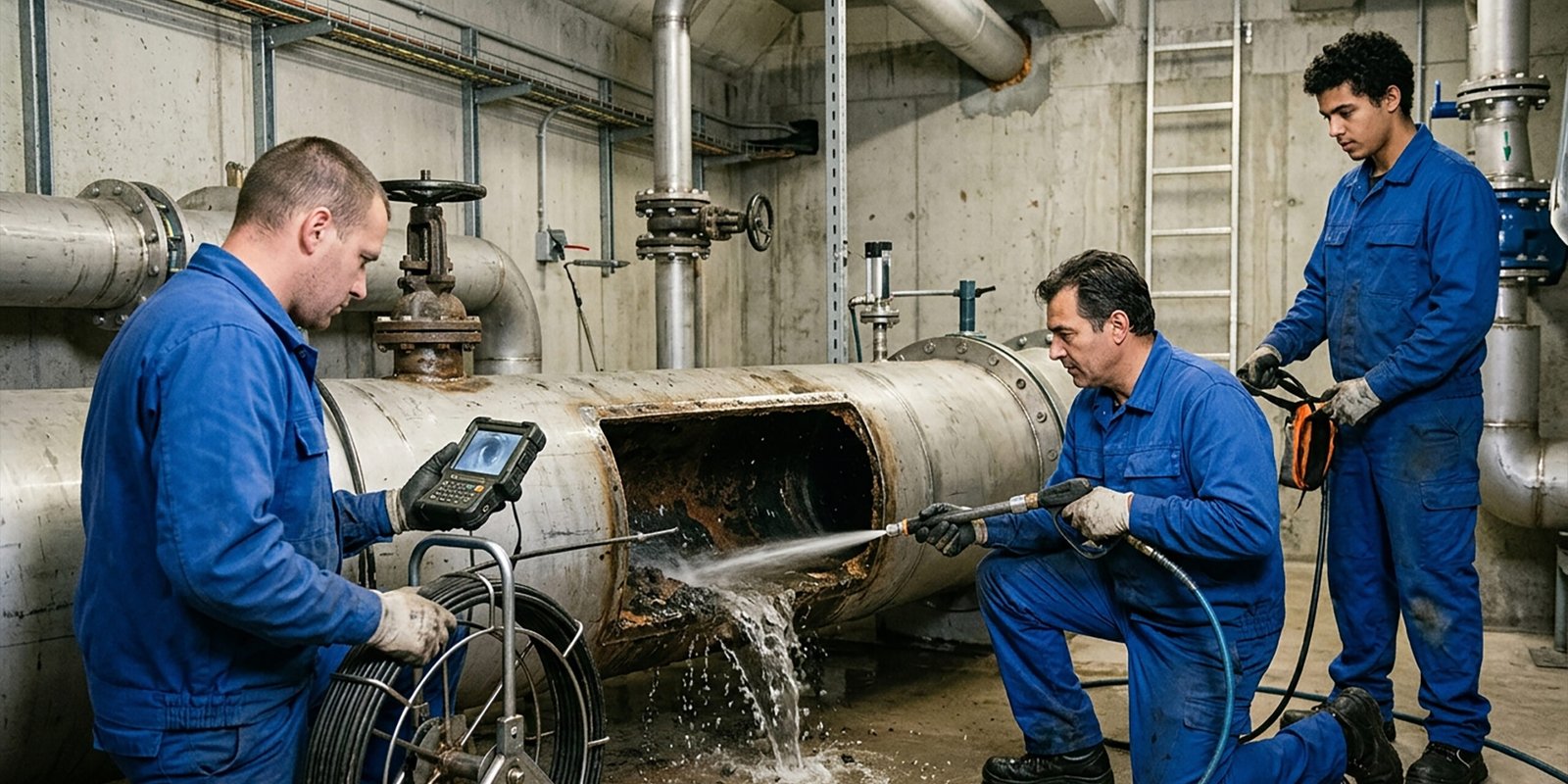
Pipe Cleaning Expert vs Plumber: The Core Difference
Think of it this way. One professional restores flow. The other fixes structure.
A pipe cleaning specialist deals with clogs, grease buildup, tree roots, sludge, and debris inside pipes. Their goal is to make water move freely again without replacing anything.
A plumber handles broken pipes, leaks, installations, water pressure problems, damaged fixtures, and system upgrades. Their work often involves cutting, repairing, or replacing components.
Many homeowners assume plumbers do everything. While plumbers can clear drains, they may not always use the most advanced cleaning tools. That can leave residue behind, causing the clog to return.
If your drain keeps slowing down again and again, that is usually a sign you need a dedicated cleaning service.
What a Pipe Cleaning Expert Actually Does
A cleaning specialist focuses on the inside condition of your pipes. Over time, pipes collect grease, soap scum, hair, food waste, mineral deposits, and even scale that hardens like stone.
Instead of dismantling plumbing, they use powerful machines to scrub and flush the pipe walls clean.
Common services include:
- Removing stubborn clogs
- Clearing sewer line blockages
- Eliminating grease buildup
- Removing tree roots
- Preventive maintenance cleaning
- Restoring full pipe diameter
Many companies use high-pressure water jetting. This method blasts water through pipes to remove years of buildup safely. You may want to link here to authoritative resources about hydro jet drain cleaning.
Another common tool is a motorized drain auger. This cuts through solid obstructions without damaging the pipe.
For businesses such as restaurants and commercial kitchens, regular cleaning helps prevent shutdowns and health risks. Grease traps can fill faster than most owners expect.
What a Plumber Actually Does
A plumber deals with the plumbing system as a whole. Their job is to repair, install, and replace. If a pipe bursts, a valve fails, or a fixture breaks, a plumber is the right professional.
Typical plumbing work includes:
- Fixing leaks
- Replacing damaged pipes
- Installing sinks, toilets, or water heaters
- Repairing water pressure issues
- Handling frozen or burst pipes
- Remodeling plumbing systems
Plumbers also diagnose structural problems. For example, a recurring leak inside a wall could mean corrosion or pipe failure, not a blockage.
If you notice water stains, hear dripping sounds, or see water pressure dropping throughout the house, this is not a simple cleaning issue. You should learn to handle a leaking pipe before calling the plumber, and then take action or call for urgent help.
Tools and Methods: Cleaner vs Plumber
The equipment used by each professional tells the story clearly.
Pipe Cleaning Equipment
Cleaning experts use tools designed to restore flow without replacing pipes:
- High-pressure water jet systems
- Mechanical augers
- Root-cutting machines
- Pipeline inspection cameras
- Descaling tools
Camera inspections are especially useful. A small waterproof camera travels inside the pipe to show exactly what is blocking it. This helps avoid guesswork and unnecessary repairs.
Plumbing Equipment
Plumbers use tools designed for construction and repair:
- Pipe cutters and threaders
- Soldering equipment
- Replacement fittings and valves
- Pressure testing tools
- Leak detection equipment
Their work often involves opening walls, floors, or ceilings to access damaged pipes.
To make it more clear to you, here is the comparison table for both options
Service Aspect | General Plumbing | Drain Cleaning |
Main Purpose | Maintaining and installing plumbing systems | Clearing blockages to restore proper flow |
Typical Equipment | Pipe wrenches, soldering tools, cutters | Drain snakes, high-pressure jetting machines, inspection cameras |
Area of Work | Fresh water, gas lines, and drainage systems | Only sewer and wastewater pipes |
Primary Duties | Repairing leaks, fitting pipes, installing taps and fixtures | Breaking up clogs, flushing debris and buildup |
Urgent Situations | Broken pipes, water outages, gas problems | Overflowing drains, blocked toilets, slow drainage |
Which Service Is Right for Your Problem?
Homeowners often face problems that point to a blockage rather than a broken pipe. A pipe cleaning expert should be called when water drains slowly but there are no visible leaks. Gurgling sounds from toilets or sinks are another common sign that something is stuck inside the lines. Unpleasant smells coming from drains usually mean waste is trapped and decomposing in the pipes. Backups that happen when a lot of water is used, or several drains clogging at the same time, also suggest buildup deep in the system. For example, if a kitchen sink slows down every few weeks, grease is probably coating the inside of the pipe, and professional cleaning removes that hidden layer.
A plumber should be contacted when the problem involves damage to the plumbing system itself. Visible leaks, sudden drops in water pressure, or pipes that have burst or frozen all indicate that repairs are needed. Fixtures that stop working properly, such as taps that will not run or toilets that will not fill, also fall into this category. Water stains on ceilings or walls can signal a hidden leak behind surfaces. In these situations, the issue is not a blockage but water escaping from the system, so cleaning alone will not fix it. A licensed plumber is needed to repair or replace the damaged components.
Cost Differences and Why They Matter
Choosing the wrong professional can double your expenses.
Pipe cleaning services are typically faster and less invasive. Since nothing is replaced, labor costs stay lower.
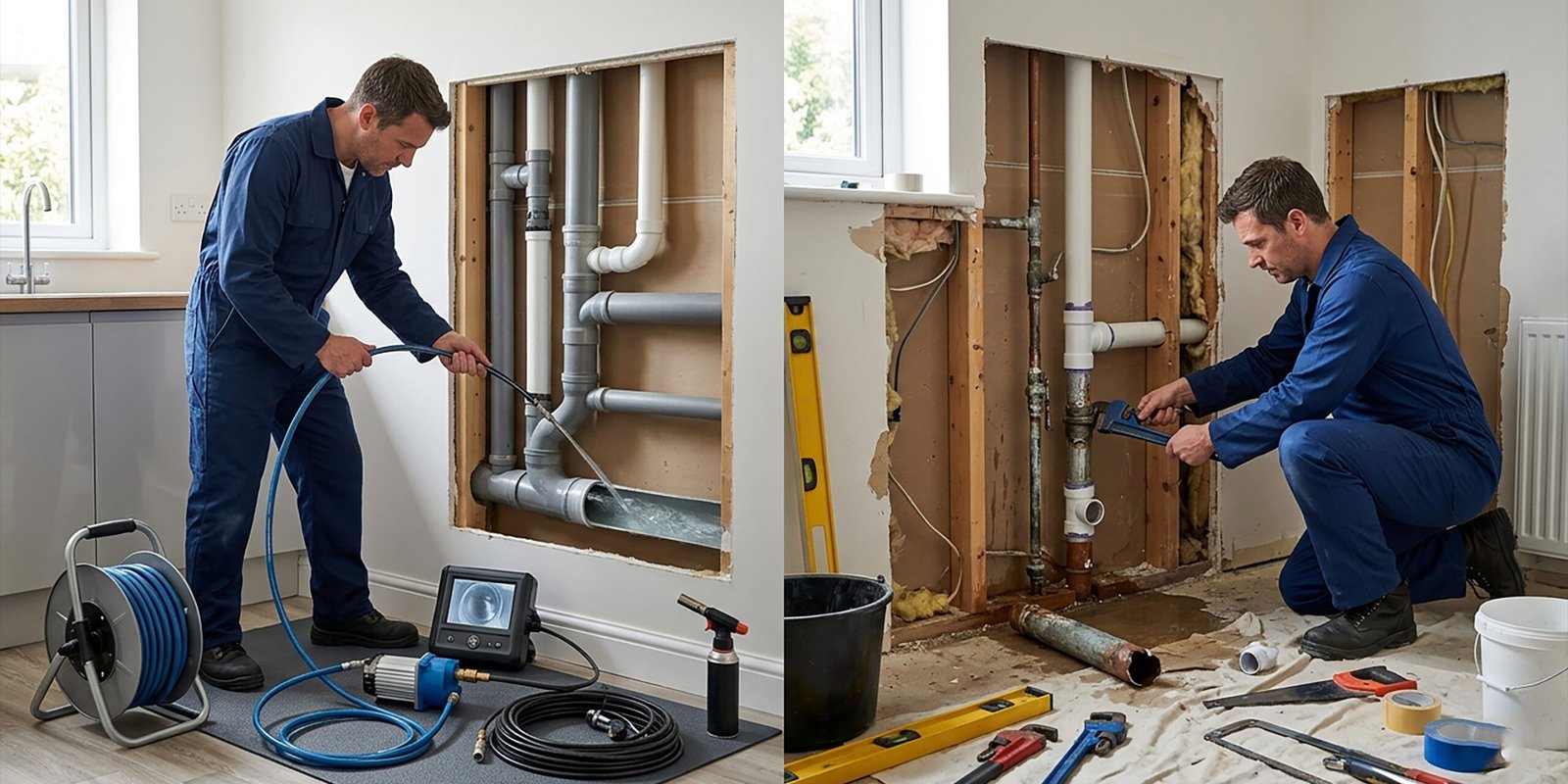
Plumbing repairs can involve parts, demolition, and reconstruction. For example, repairing a pipe inside a wall may require cutting drywall, replacing sections, and restoring the surface.
In some cases, a plumber may attempt to clear a clog using basic tools. If the blockage returns, you end up paying again for proper cleaning.
This is why many property managers schedule preventive cleaning. It avoids emergency repair costs later.
How Calling the Wrong Professional Wastes Time
Imagine calling a plumber for a heavy grease blockage. The plumber clears part of it, but residue remains. A month later, the drain blocks again. Now you need a cleaning specialist anyway.
Or consider the opposite situation. You call a cleaning service for a pipe that is cracked underground. They clear debris, but water still leaks into the soil. Eventually, excavation and repair are required.
Correct diagnosis saves both time and frustration.
When You Actually Need Both
Some situations require teamwork.
For example, tree roots can enter a pipe through small cracks. A cleaning expert removes the roots, but the damaged section still needs repair. A plumber then replaces or relines the pipe.
Another common case is severe corrosion. Cleaning removes buildup, revealing that the pipe walls are too thin to remain safe.
Professional companies often coordinate services to solve the issue completely.
How to Decide in Under a Minute
Ask yourself one simple question:
Is the problem about flow or damage?
If water cannot pass through, think cleaning.
If water is escaping or something is broken, think plumbing.
If you are unsure, request a camera inspection first. It gives a clear view without any invasive work. You should also understand the common causes of sewer line blockages so you can address them early, before the problem becomes severe.
Final Thoughts: Make the Smart Call First
Drain and plumbing problems rarely fix themselves. Ignoring them usually makes things worse. The key is choosing the right specialist for the actual problem.
Pipe cleaning experts restore performance. Plumbers restore structure. Both play essential roles in keeping your home or building safe and functional.
Making the correct decision early can prevent emergency situations, property damage, and expensive repairs later.
Request a Free Inspection or Consultation
Not sure what’s really going on with your pipes? That’s completely normal. The best first step is to have a professional take a look. A quick inspection can show whether it’s a simple buildup, a blockage, or something more serious like damage.
Book your free inspection or consultation with Rohr Cleaner today. You’ll get honest answers, clear options, and peace of mind before the problem gets worse.
