
Leaking Pipe? Here’s Your Step-by-Step Emergency Response Plan

Rohr Cleaner
There are few things more stressful for a homeowner than the sudden sound of dripping water or the sight of an unexpected puddle on the floor. A leaking pipe isn’t just an inconvenience; it’s a plumbing emergency that can cause thousands of dollars in water damage, lead to mould growth, and turn your home upside down.
But here’s the good news: a little preparation and a clear, cool head can make all the difference. As a professional in the industry, I know that your quick response is the most critical factor in minimizing the damage. This guide isn’t just about spotting the problem; it’s your complete action plan for what to do the moment you suspect a pipe leak. Let’s walk through it together, step-by-step, so you’re ready to handle any plumbing emergency with confidence.
The Early Warning Signs You Can’t Afford to Ignore
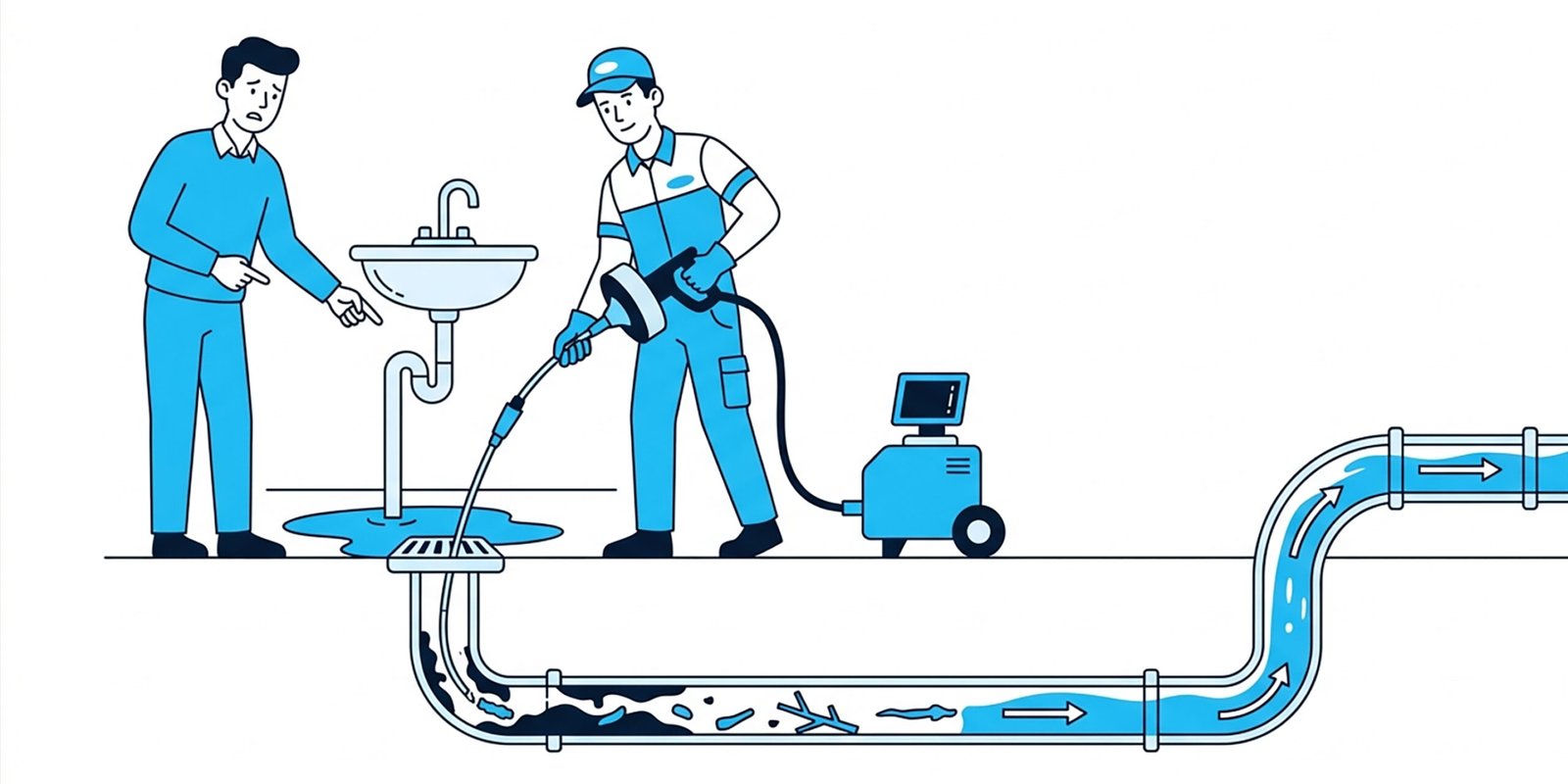
Pipes can leak or get blocked for many reasons, like grease or fat buildup, corrosion, or even high-water pressure. That’s why knowing a few practical tips to fix these issues matters. A small drip can quickly turn into a big problem if ignored. Luckily, your home usually gives you early warning signs before things get out of hand. Learning to notice these signals is your best defense against a pipe leak emergency.
- Unexpected Water Pooling: This is the most obvious sign. Keep an eye out for puddles of water under sinks, near your water heater, or on the floor in your basement. Even a small, persistent wet spot can signal a significant pipe crack or loose joint that’s getting worse over time.
- Discoloration stains on Walls and Ceilings: Brown, yellow, or dark stains on your drywall are a classic sign of water seeping through from above. If you notice this, it’s a strong indicator that there’s a leak inside your walls or ceiling, and it’s time to act fast.
- A Sudden Drop in Water Pressure: If the water pressure in your showers and faucets suddenly gets weaker for no apparent reason, it could mean water is escaping somewhere else in the system.
- Musty Smells: Unpleasant, damp odours can be a sign of mould or mildew growing in a hidden area where a leak is present. If you smell something musty that won’t go away, it’s time to track the leak down.
- Higher-Than-Usual Water Bill: If your monthly water bill has spiked without any change in your usage, it’s a major red flag that water is being wasted somewhere, likely through a leak.
Your Leaky Pipe Emergency Action Plan
Okay, you’ve spotted a leak. Take a deep breath. Panicking will only make things worse. Follow these expert steps immediately to get the situation under control.
Step 1: Find and Turn Off the Water Supply
This is the single most important step. Your first priority is to stop the flow of water for 20-25 minutes to prevent further damage. It’s essential to locate your main water shut-off valve.
- Where to Look: For most homes, this valve is located in the basement, a utility closet, or near the water meter, often on an exterior wall. It can be a red wheel or a lever handle.
- How to Turn it Off: Turn the wheel clockwise or flip the lever to the “off” position. This will instantly stop the flow of water supply to the entire house. If you can’t find it or can’t turn it, there may be smaller shut-off valves under sinks or behind toilets for individual fixtures. Turning these can help if the leak is localized.
Step 2: Drain the Remaining Water from the Pipes
Once the main water supply is off, open the lowest faucet in your house (like a basement tap) and all the faucets on the upper floors. This will help drain any remaining water from the system, relieving pressure on the leak and making the cleanup easier.
Step 3: Assess the Situation and Locate the Leak
With the water off, you can now safely inspect the area. Try to figure out the exact location of the leak. Is it a small drip from a loose joint? A spray from a pipe crack? Or a gush from a severely damaged section? The type and size of the leak will plan your next steps.
Step 4: Attempt a Temporary "Quick Fix"
For a small leak, a temporary repair can hold you over until a professional arrives. Remember, these are not permanent solutions, and a professional plumber must still evaluate the situation.
- Pipe Clamp and Rubber Pad: This is one of the most effective temporary fixes. Place a rubber pad over the leak and secure it with a pipe clamp.
- Epoxy Putty: A two-part epoxy putty can be moulded around the leak and will harden to create a temporary seal.
- Repair Tape: Special self-fusing silicone or waterproof tape can be wrapped tightly around the leak to provide a temporary barrier.
Step 5: Clean Up and Document the Damage
As soon as the leak is contained, start the cleanup process. Use towels, a mop, and a wet/dry vacuum to drain out as much water as possible. Use fans and a dehumidifier to dry the area entirely and prevent mould growth. Take photos and videos of the damage for your insurance company; this documentation is crucial later on.
When to Call in the Big Guns: Professional Plumbers and Pipe Experts
While a temporary fix is great, it’s not a substitute for professional plumbing services. You absolutely need to call a professional for a permanent pipe repair if:
- The leak is severe or located in a hard-to-reach area, such as inside a wall or under the floorboards.
- The leak is from your main water line or a key component of your plumbing system.
- You are not confident in your ability to perform even a temporary repair.
- The damage is significant, and you need a professional assessment for insurance purposes.
Professional pipe experts have the tools and expertise to accurately diagnose the problem, perform a lasting repair, and ensure your plumbing system is functioning correctly. They can even perform a specialized leak test to find hidden leaks before they become a major issue.
A Proactive Approach to Plumbing Peace of Mind
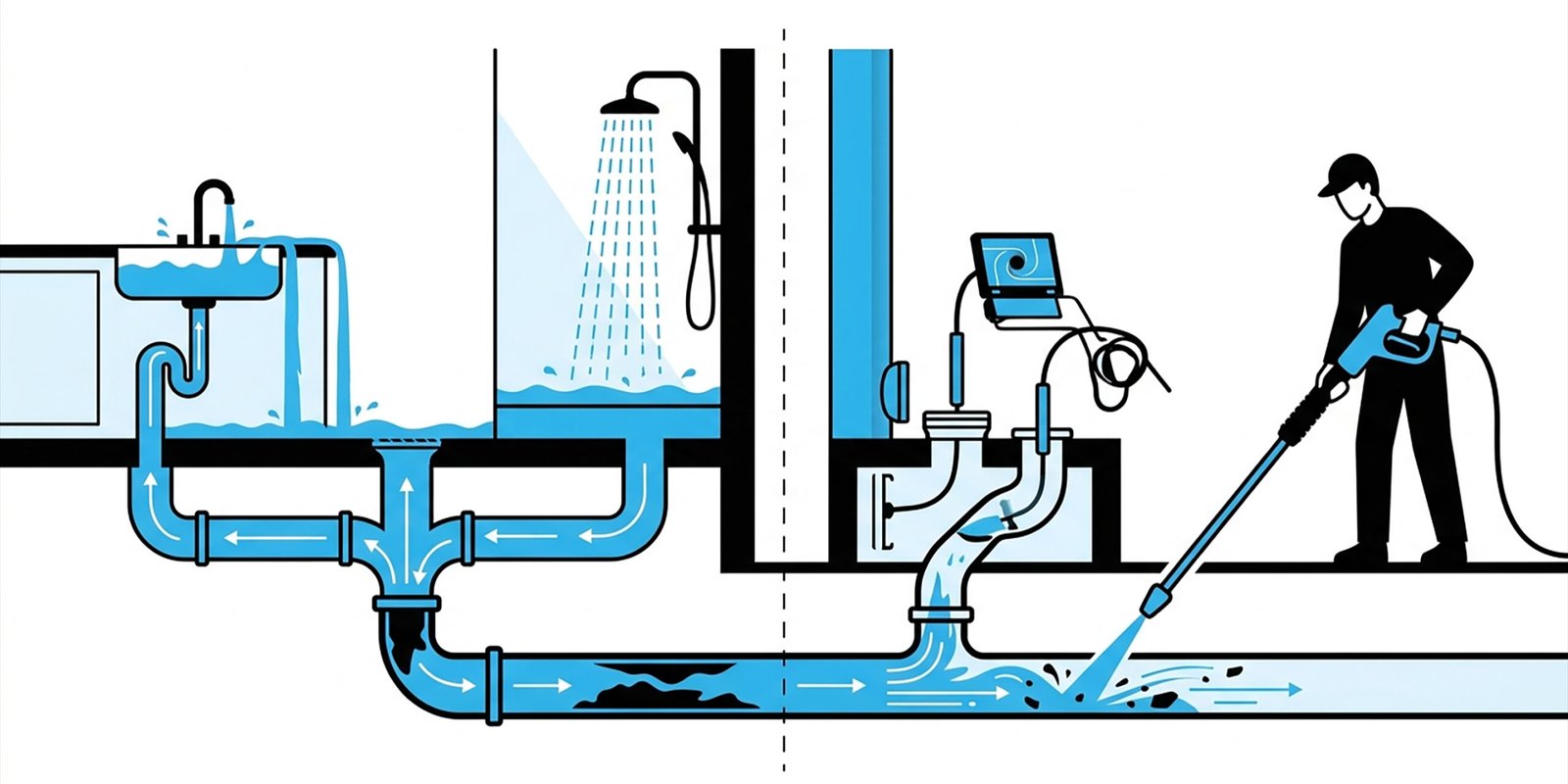
My experience has shown me that many leaks are not random accidents. They are often caused by increased pressure from clogs and blockages. Think about it: a pipe that is already weakened by corrosion or age is far more likely to burst when a stubborn grease blockage puts strain on the system. If you’re a homeowner who constantly deals with slow drains or clogs, you’re the one who is in a pipe leaking urgency. That’s why it’s so important to be proactive.
Just as you wouldn’t ignore a check engine light in your car, you shouldn’t ignore the early signs of plumbing problems. Preventing the problem from happening in the first place is the best strategy.
Don't Wait for a Leak to Act!
The next time you’re in a plumbing bind, don’t hesitate to reach out to the professionals. They have the advanced tools and expertise to find the source of the leak and perform a lasting, high-quality repair.
For a thorough and professional leak test and reliable pipe repair, we recommend reaching out to the experts at Rohr Cleaner. Their dedicated team can help you with everything from an emergency leak to preventative maintenance.
